
PRP Hair Treatment
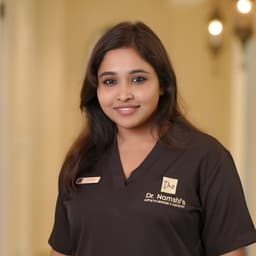
PRP hair treatment uses platelet-rich plasma, prepared from a small sample of your own blood, and injects it into the scalp to support hair follicles that are thinning. At our Al Qusais, Dubai clinic, our aesthetic physician, Dr. Keerthana Gopal, assesses your hair loss first and gives the injections herself, usually as a course of sessions.
Who is PRP for?
PRP is most likely to help where hair is thinning but the follicles are still active. It is most often used for:
- early to moderate pattern hair loss in men, such as receding temples or a thinning crown
- pattern or diffuse thinning in women, often seen as a wider parting or less volume overall
- thinning after stress, illness, childbirth or hormonal changes
- some cases of alopecia areata, after assessment
It is unlikely to help long-standing bald areas where the follicles no longer grow hair. If thyroid, iron or hormone problems may be involved, the doctor may suggest blood tests, because treating the cause matters as much as the injections.
What happens at a PRP session?
- Assessment. At your first visit the doctor reviews your health, medicines and any past hair treatments, examines your scalp and takes baseline photos.
- Blood sample. About 15–30 ml of blood is taken from your arm, similar to a routine blood test.
- Preparation. The blood is spun in a centrifuge to separate the platelet-rich plasma.
- Numbing. A numbing cream is applied to the scalp and left for 20–30 minutes.
- Injections. The plasma is injected in small amounts across the thinning areas with a fine needle, which takes about 20–30 minutes.
The whole visit usually takes 60–90 minutes. Afterwards, avoid washing your hair, swimming and hard exercise for 24 hours; most people go back to work the same day or the next morning.
How many sessions do you need, and when do results show?
Most people need five to seven sessions about four weeks apart, depending on how severe the thinning is. Many then have a maintenance session every four to six months.
Results build slowly. Less shedding is often the first change, some people notice fine new hairs from the second or third session, and visible changes in coverage usually take three to six months. The doctor compares your photos with the baseline at each review. Not everyone responds, and genetic or hormonal hair loss carries on, which is why maintenance sessions are usually needed.
PRP can be used on its own or combined with GFC or hair mesotherapy; these are explained on our hair loss treatment page.
How much does PRP hair treatment cost in Dubai?
The doctor gives you the cost after assessing your hair loss and the number of sessions you are likely to need.
Risks and what to expect
What to expect
PRP uses a small sample of your own blood, prepared and injected into the scalp. It is usually a course of three to four sessions about a month apart, then maintenance sessions. Not everyone responds, and changes take several months to show.
Possible side effects and risks
- Pain, redness and tenderness of the scalp for a day or two
- Bruising where blood is taken or where the scalp is injected
- Headache after the session
- Rarely, infection at an injection site
- Hair loss can continue if its underlying cause continues
Results vary from person to person and are not guaranteed. At your consultation your clinician will explain the risks that apply to you, and the alternatives, before you decide.
PRP Hair Treatment — Frequently Asked Questions
It is usually manageable. A numbing cream is applied for 20–30 minutes first, so most people feel only pressure or brief stinging during the injections. The scalp can feel tender or sore for 24–48 hours afterwards.
Usually five to seven sessions about four weeks apart, depending on how severe the thinning is. Many people then have a maintenance session every four to six months to help keep the improvement.
Usually after a few months. Some people notice less shedding or fine new hairs from the second or third session, and visible changes in coverage usually take three to six months. Results vary, and not everyone responds.
No. PRP can improve hair in follicles that are still active, but genetic and hormonal hair loss continues over time. Maintenance sessions, and treating any underlying cause, help to sustain the results.
Very little. Mild redness, swelling or tenderness of the scalp may last 24–48 hours, and most people return to work the same day or the next morning. Avoid washing your hair, swimming and hard exercise for 24 hours.
Yes. Depending on the cause and stage of your hair loss, the doctor may combine PRP with GFC or hair mesotherapy. She explains the options, and the cost of the plan she suggests, at your consultation.
More Hair Treatments in Dubai
Interested in PRP Hair Treatment?
Meet the clinician, get a clear plan with the price, and decide in your own time. We are in Al Qusais, Dubai, open every day from 10 am to 10 pm.
Book a free consultation